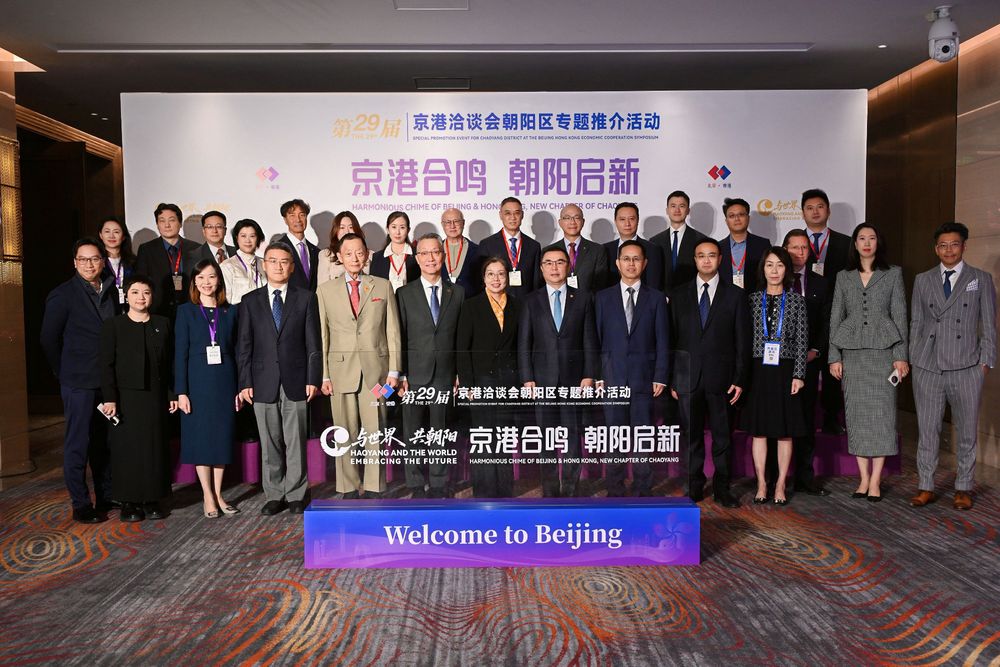
push_pin Krystal News CG Global Entertainment Limited (CGGE) Invited to Attend the Special Session for Chaoyang District at the 29th Beijing-Hong Kong Economic Cooperation Symposium
push_pin Partners Krystal Institute Affiliate Signs Memorandum of Understanding with Future Design School of Harbin Institute of Technology, Driving Innovation in China's Digital Creativity Foundational Technologies
push_pin Partners China-Africa Development Fund collaborates with Krystal Institute Affiliate to implement a digital innovation technology education project
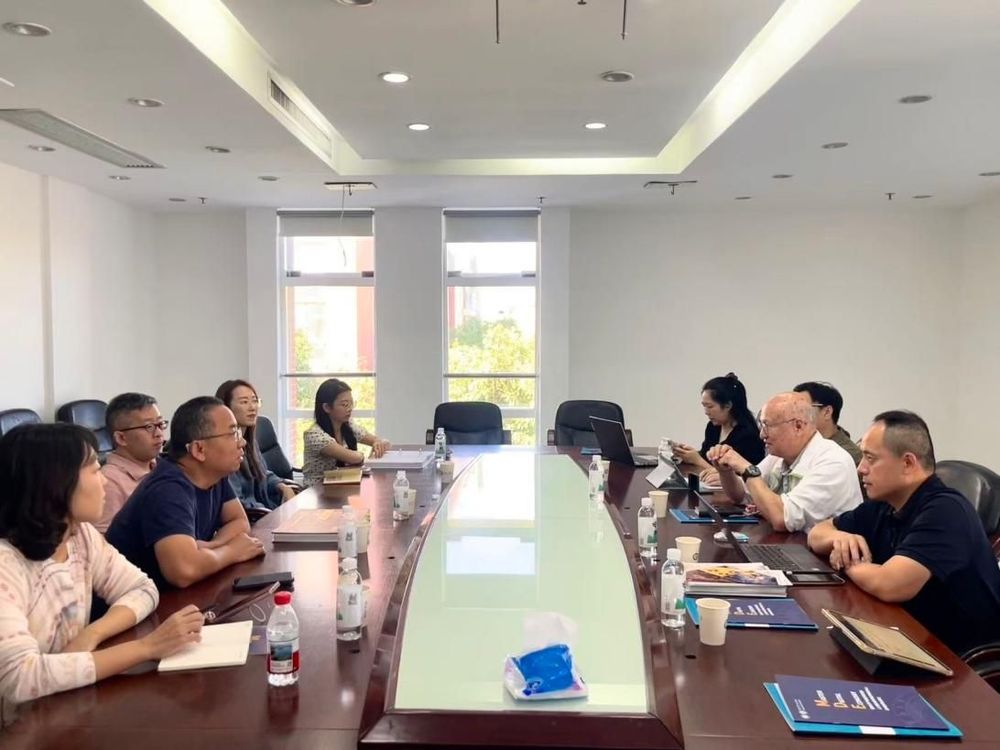
Krystal News CG Global Entertainment Limited (CGGE) Visits Jinan University Institute of Industrial Economics to Explore New Paths for Industry-Education Integration
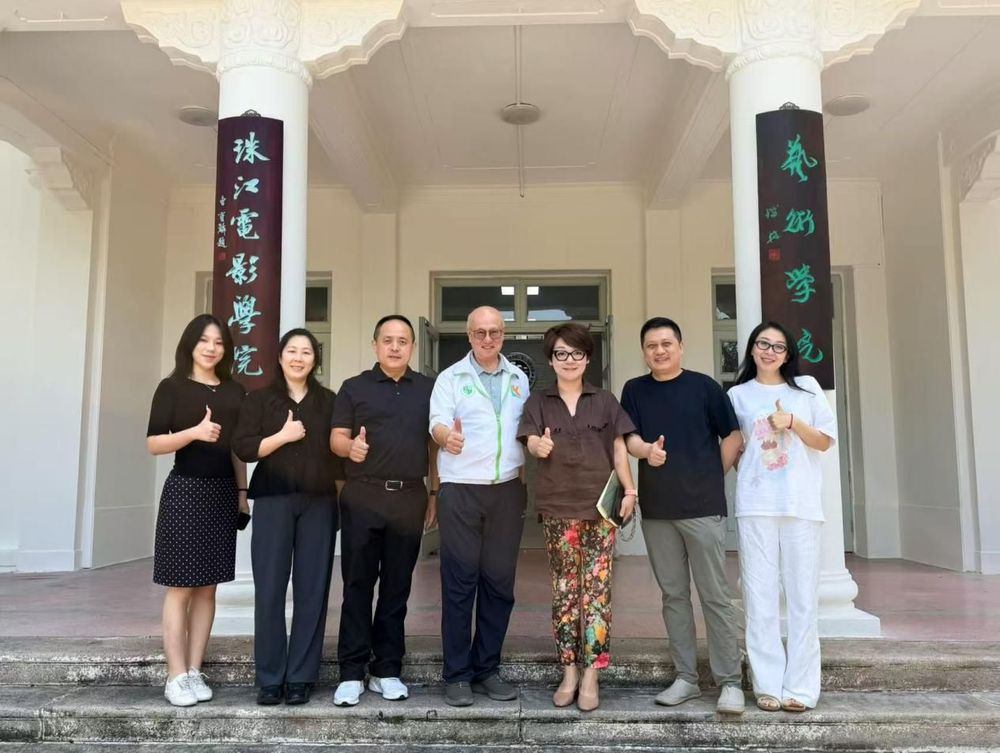
Krystal News CG Global Entertainment Limited (CGGE) Visits Jinan University College of Arts / Pearl River Film Academy to Promote Professional Cooperation in Creative Intelligent Film and Game Design
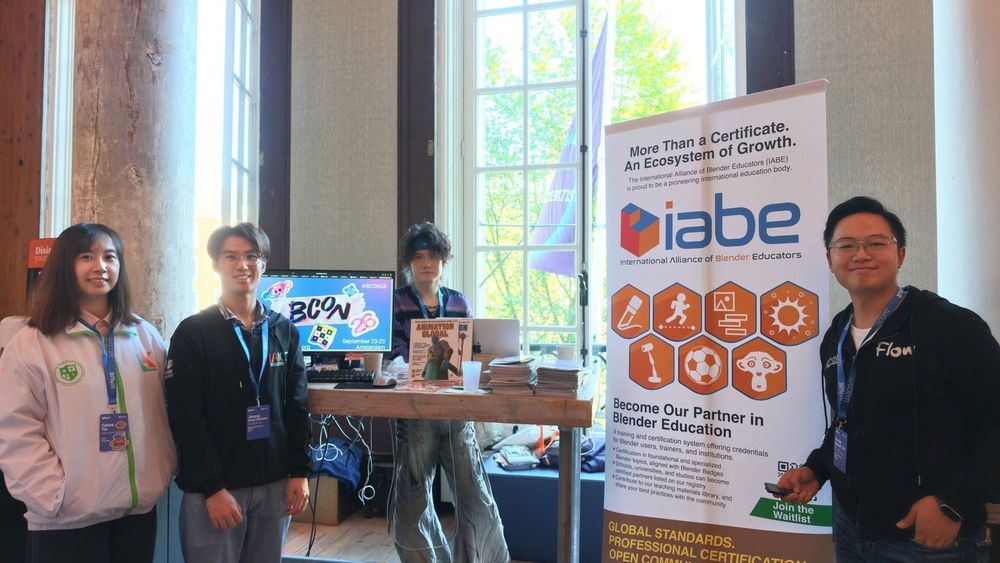
Krystal News CG Global Entertainment Limited (CGGE) Sponsors Blender Conference 2026 Ahead of BCON Shenzhen in November
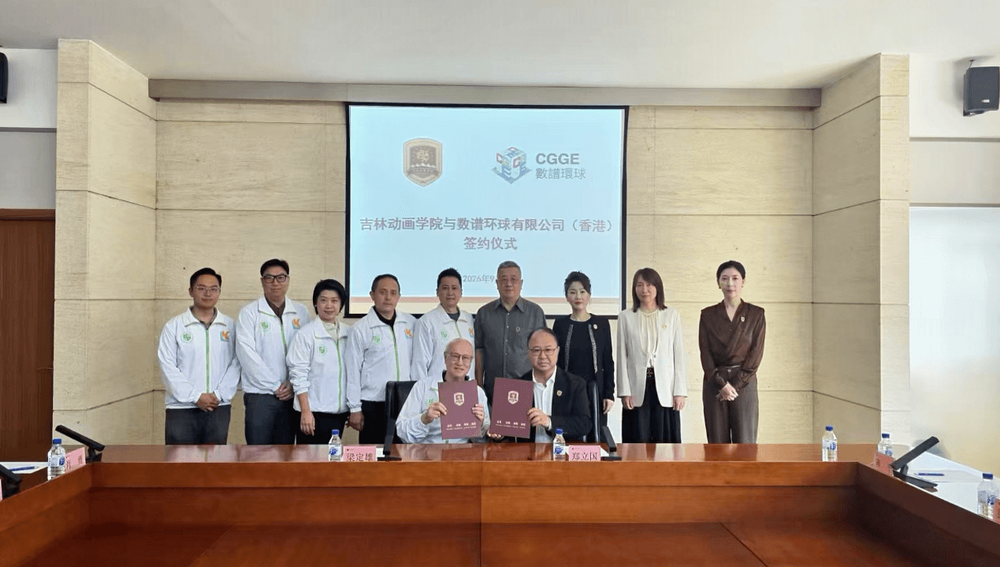
Partners CG Global Entertainment Limited (CGGE) and Jilin Animation Institute Launch a Strategic Partnership for Creative AI and Industry–Education Collaboration
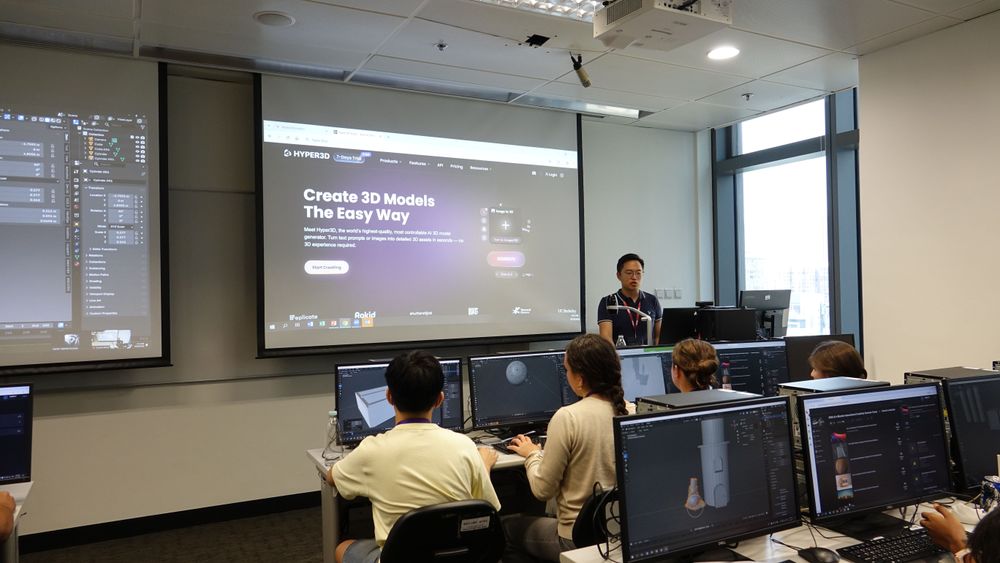
Partners AI-Empowered Creation: Krystal Institute Partners with Hyper3D Rodin to Help Future Creators Efficiently Complete 3D Works
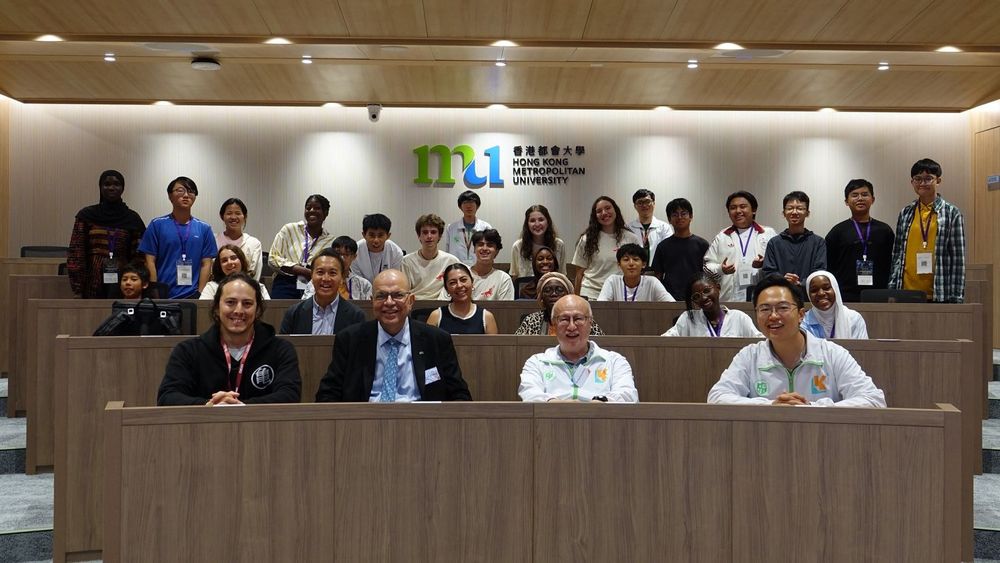
Krystal News Future Creators AI × Blender International Creative Summer Camp Concludes Successfully │ Young Creators from Multiple Countries Gather in Hong Kong to Explore AI and 3D Creation
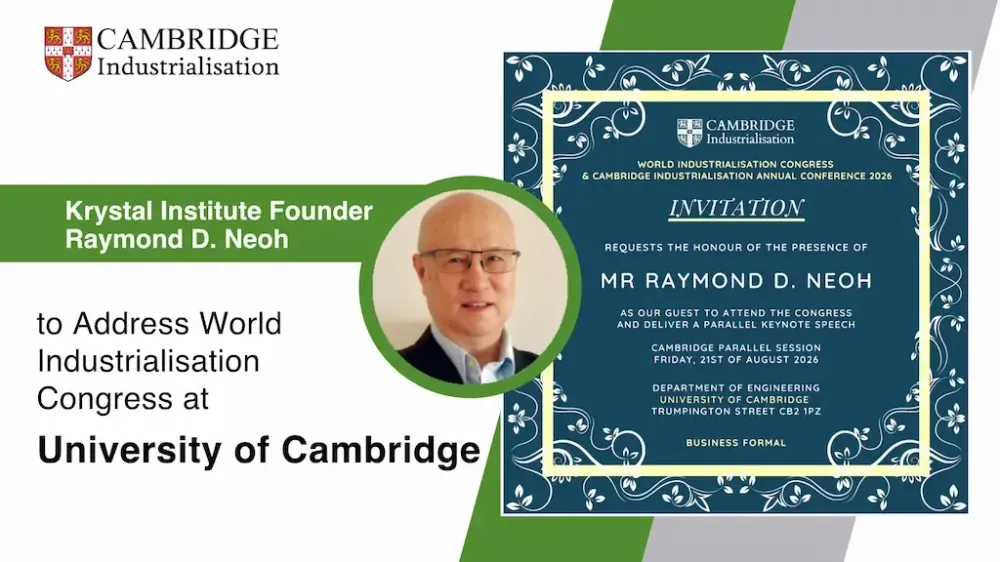
Krystal News Krystal Institute Founder Raymond D. Neoh to Address World Industrialisation Congress at University of Cambridge
Krystal News Eastern Light and Shadow Shining in the Alps — A Chronicle of the Annecy International Animation Film Festival
Krystal News CG Global Entertainment Limited (CGGE) Invited to Showcase at ICIF Shenzhen University Special Event
2026 on track to be second-hottest year in history The world is on track for 2026 to be the second-hottest year on record as an exceptionally strong El Niño weather pattern turbocharges human-driven global warming, the European Union's climate monitor said on Friday. This year still has a "20 percent chance of tying or exceeding" 2024 as the warmest ever seen, the Copernicus Climate Change Service said in a monthly bulletin. Global temperatures are now "virtually certain" to exceed 1.5C above pre-industrial levels in 2026, Copernicus said. The four-year average from 2023 to 2026 is also expected to top 1.5C, the preferred limit set in the Paris Agreement to avert the worst impacts of climate change. The world experienced its warmest October on record, with average global surface air temperatures 1.75C above pre-industrial times, an era defined as 1850-1900, Copernicus added. It was the third straight month exceeding 1.5C. "October has continued the pattern of remarkable global warmth, with record global and surface ocean temperatures," said Samantha Burgess, strategic lead for climate at the European Centre for Medium-Range Weather Forecasts (ECMWF), which operates Copernicus. "An exceptionally strong El Niño is adding further heat to a climate already warmed by human activities," she said. The latest bulletin comes as nations prepare to meet on Monday for the UN's two-week COP31 climate summit in Türkiye after a year marked by deadly floods in Nepal, searing heatwaves in Europe and major wildfires in Indonesia. Global forecasters have been warning for months that this El Niño, which is expected to peak later this year, would likely become the strongest ever observed. The intensifying weather phenomenon set an all-time temperature record in a key Pacific zone last month, Copernicus said. The warming phase of a natural climate cycle, El Niño temporarily raises sea temperatures in the tropical Pacific, triggering changes in weather that can increase the risk of drought and flooding, and exacerbate man-made global warming. Forecasters say El Niño could help make 2027 the hottest year on record. Nations agreed at the 2015 UN climate talks in Paris to keep global warming "well below" 2C above pre-industrial levels, while pursuing efforts to limit it to 1.5C. But the United Nations declared in September that the long-term 1.5C target would be missed in a matter of years. Scientists say it is crucial to reduce greenhouse gas emissions from fossil fuels to limit the period of "overshoot" above 1.5C and bring temperatures back down as quickly as possible. (AFP) Edited by Edmond Fong
Evening News on TV32 - Nov 6 Top stories for Friday, Nov 6, 2026 - The Exchange Fund records a third-quarter investment income of almost $19 billion. - Police say they will roll out facial recognition technology across their CCTV network this month. - Protests have erupted across Paraguay after one of the country's largest banks was shut down over a solvency crisis.
28 nabbed in first task force raid against bid-rigging Authorities said on Friday that 28 people were arrested in an operation against a suspected triad-linked bid-rigging syndicate targeting building maintenance and renovation projects. Secretary for Security Chris Tang said it was the first operation by the joint task force made up of police, the ICAC and the Competition Commission, which was set up after the Wang Fuk Court fire last year. Tang said the syndicate was looking to cash in before the government's anti-bid-rigging policies takes effect. Under pretexts such as fluctuating material prices and the urgent need to start works, it tried to get homeowners to sign contracts quickly, so its preferred engineering consultants and contractors would be selected in a bid to rake in huge profits at the last minute, he said. "The syndicate involved at least 20 buildings or estates, including 12 that have already awarded the contract and eight that have yet to award the contract," the security minister told reporters. "The awarded sum is about HK$100 million and the to-be-awarded amount is also about HK$100 million." Officials will contact the owners' corporations of the affected estates to offer assistance. Those arrested include directors and staff from a property management company, six contractors and 10 consultancy firms, along with one member of an owners' corporation. Several arrestees, Tang said, were suspected to have triad affiliations. They were arrested for offences including deception, forgery, conspiracy to defraud and conspiracy to offer an advantage to an agent, among others. Separately, police smashed seven illegal premises suspected to be controlled by triads across the city and arrested 38 people. Tang said the syndicate allegedly funnelled profits from bid-rigging to illegal gambling dens and vice establishments. He added a 24-hour hotline and a reward scheme have been set up to encourage the public to report suspected bid-rigging, with all information kept strictly confidential. Edited by Edmond Fong
Fourth arrest as Prabowo wiretapping tensions mount Indonesian police have named a fourth senior officer as a suspect in the alleged wiretapping of President Prabowo Subianto, as authorities continue to investigate the motives behind a scandal that has exposed a deepening rift between the president and his predecessor, Joko Widodo. The case has piled more pressure on Prabowo, with public discontent growing over his costly populist policies and weakening investor confidence in Indonesia's US$1.5 trillion economy. Police named a senior law enforcement official with the initials SU as the new suspect late on Thursday and said he served as monitoring chief at Indonesia's Criminal Investigation Agency between 2010 and 2019. Local media later identified him as Slamet Uliandi. Investigators alleged that SU, who was the head of the investigation agency's information and technology unit from 2021 to 2026, gave the go-ahead for the wiretapping, said cyber crime unit director Suhermanto at the press conference. "When the other two suspects were about to wiretap, they got approval from SU. They also asked his approval before deleting interception records," Suhermanto said, adding that SU had not yet been detained due to a health condition. Three senior police officers had already been arrested on Tuesday, including the former national police chief and Prabowo's chief of staff, Listyo Sigit Prabowo, who is widely known as a Widodo loyalist. Police are still investigating the motives behind the attempts to intercept Prabowo's communications, and have so far questioned 13 police officers and five criminal and IT experts. The national police chief has also formed a special team to investigate the case. Jakarta remained calm on Thursday and Friday despite the deployment of thousands of troops in the wake of the wiretapping revelations. Military tents and buses were seen in the capital, as well as a small number of soldiers. Lawmakers are also considering a probe into the eligibility of Vice President Gibran Rakabuming Raka, Widoko's son, in what could be the first step towards removing him from office. (Reuters) Edited by Aaron Tam
'Unlimited land searches raise privacy concerns' A development official on Friday said a lack of restrictions for land record searches may lead to privacy concerns, prompting the authorities to adjust the mechanism. Her remarks came after the government proposed legislative amendments, saying land record searches must meet one of nine specified purposes. Speaking to lawmakers, Permanent Secretary for Development of Planning and Lands Doris Ho said there should be room for the media to carry out investigative reporting by allowing the search in the public interest, including the reporting of large-scale unauthorised building works. “We believe that there should be a mechanism – a not too difficult one – for the media to carry out reporting that serves public interest,” she said. “We want to have this type of reporting. Therefore, although an application and some information will be required in the future… we believe the chance of approval is very high.” Ho added that although there is no appeal mechanism, if an application is rejected, the applicant could submit grounds that were not previously provided for authorities to reconsider. Authorities are also looking at the introduction of a mechanism to inform home owners whose properties are being searched, she said. Edited by Aaron Tam
Former Macao lawmaker jailed 12.5 years Former Macao lawmaker Au Kam-san was jailed for 12-and-a-half years on Friday in the territory's first national security case. That came after the court convicted him on one count of subverting state power, two counts of establishing links with organisations, groups or individuals outside the Macao SAR to endanger national security, and one count of breach of secrecy. The Court of First Instance said the proceedings carefully assessed all the evidence and found most of the indictment facts proven. Au did not dispute most of the basic facts and admitted colluding and conspiring with overseas organisations, it said. The court said he had long personally helped hostile overseas organisations collect, prepare and openly spread political advocacy aimed at subverting state power, as well as false and clearly distorted images and information. That was done, it said, to stir hatred among Macao residents against the Central People's Government and seek to overthrow the fundamental system under China's Constitution. On the secrecy charge, Au, as a Legislative Assembly member, leaked secret contents from a closed-door committee meeting in 2021 to an overseas organisation, risking very serious consequences. The Hong Kong and Macao Affairs Office said national security is a red line that must not be crossed. In an article, it criticised Au for long colluding with external forces under the banners of so-called "democracy" and "freedom" to engage in anti-China, destabilising activities in Macao, seriously endangering national security and harming Macao's prosperity and stability. It says the judgement forcefully upholds the authority of the rule of law, adding that anyone or any organisation that dares to endanger national security will be severely punished by law. Edited by Aaron Tam
Peruvian scholar hails Lima-Shanghai shipping link A Peruvian expert on Asian affairs urged Apec member economies to take a page from China when formulating policies to stimulate the economy, pointing to exports and foreign investment as two key drivers. World leaders are expected to gather in Shenzhen in the coming days, as the southern Chinese tech hub gets set to host the Apec Economic Leaders' Meeting. On the eve of the summit, Shenzhen Media Group spoke with Carlos Aquino, an expert on China-Latin America ties who has been involved in Apec matters for years. The director of the Centre for Asian Studies at Peru's National University of San Marcos also advises his government on Apec proceedings. In an interview with Shenzhen TV, he explained how scholars like him contribute to the bloc. "Within Apec, there is an Apec Study Centers Consortium. Every year scholars from Apec economies will meet. We give some ideas to officers, and the officers... apply those policies to the economy," he said. He said Apec could come in handy for nations looking to grow their economies but unsure about where to start. "For example in Peru, we have industries, but we don't know how to sell... to a market. So within the Apec framework, we can ask for help – economic help, economic cooperation to the whole economies. "And we have already asked China, Japan, Korea. They sent an adviser, so they tell us how to produce something, or how to sell to those markets." Last year, Peru's exports reached a record US$90 billion, up 60 percent from 2021. More than a third of its exports went to China, its largest trading partner, while the United States ranked second at 11 percent. "The engine of growth of Asian economy has been trade and investment. And also in Peru, that is happening. So we are learning from Asia that to grow the economy, you have to export and also [bring in] investment." Ties between China and Peru took a big step forward in 2024, when President Xi Jinping visited Lima and inaugurated the Chancay port, north of the capital. Aquino said the port, built and owned by Chinese shipping giant Cosco, has cut shipping costs between the two countries by 20 percent. Other South American countries also stand to benefit, he believed. "Colombia, Ecuador, Chile can bring the goods to Chancay Port and send [them] to China. So it's having a huge change not only for Peru, but also for the whole of Latin America," Aquino said. "And you know, we are thinking of building a bi-oceanic railway between Chancay and Brazil. Perhaps if that is the case, Brazilian goods also will go cheaper to China." He said that, as a result of Chancay, Peruvian exports to China jumped by 39 percent in the first seven months of this year. Edited by Aaron Tam
Peruvian scholar hails Lima-Shanghai shipping link A Peruvian expert on Asian affairs urged Apec member economies to take a page from China when formulating policies to stimulate the economy, pointing to exports and foreign investment as two key drivers. World leaders are expected to gather in Shenzhen in the coming days, as the southern Chinese tech hub gets set to host the Apec Economic Leaders' Meeting. On the eve of the summit, Shenzhen Media Group spoke with Carlos Aquino, an expert on China-Latin America ties who has been involved in Apec matters for years. The director of the Centre for Asian Studies at Peru's National University of San Marcos also advises his government on Apec proceedings. In an interview with Shenzhen TV, he explained how scholars like him contribute to the bloc. "Within Apec, there is an Apec Study Centers Consortium. Every year scholars from Apec economies will meet. We give some ideas to officers, and the officers... apply those policies to the economy," he said. He said Apec could come in handy for nations looking to grow their economies but unsure about where to start. "For example in Peru, we have industries, but we don't know how to sell... to a market. So within the Apec framework, we can ask for help – economic help, economic cooperation to the whole economies. "And we have already asked China, Japan, Korea. They sent an adviser, so they tell us how to produce something, or how to sell to those markets." Last year, Peru's exports reached a record US$90 billion, up 60 percent from 2021. More than a third of its exports went to China, its largest trading partner, while the United States ranked second at 11 percent. "The engine of growth of Asian economy has been trade and investment. And also in Peru, that is happening. So we are learning from Asia that to grow the economy, you have to export and also [bring in] investment." Ties between China and Peru took a big step forward in 2024, when President Xi Jinping visited Lima and inaugurated the Chancay port, north of the capital. Aquino said the port, built and owned by Chinese shipping giant Cosco, has cut shipping costs between the two countries by 20 percent. Other South American countries also stand to benefit, he believed. "Colombia, Ecuador, Chile can bring the goods to Chancay Port and send [them] to China. So it's having a huge change not only for Peru, but also for the whole of Latin America," Aquino said. "And you know, we are thinking of building a bi-oceanic railway between Chancay and Brazil. Perhaps if that is the case, Brazilian goods also will go cheaper to China." He said that, as a result of Chancay, Peruvian exports to China jumped by 39 percent in the first seven months of this year. Edited by Aaron Tam